The DHS Data Grab Is Putting US Citizens at Risk
…
The DHS Data Grab Is Putting US Citizens at Risk
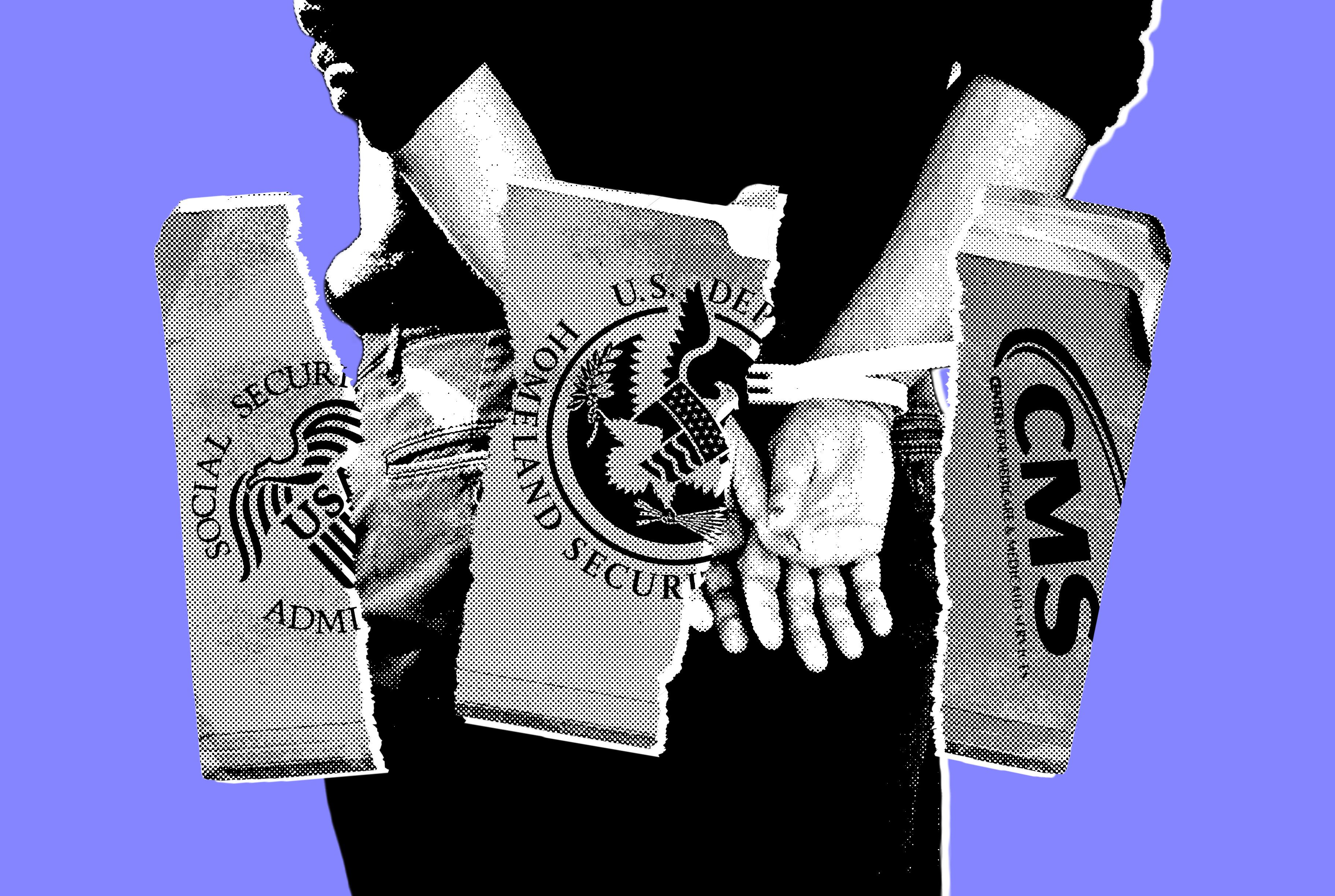
In recent years, the Department of Homeland Security (DHS) has been ramping up its efforts to collect data on US citizens in the name of national security. While the government argues that these measures are necessary to protect the country from threats, many are concerned about the implications for privacy and civil liberties.
One of the biggest concerns is the potential for abuse of this data by government agencies. The more information that is collected, the greater the risk that it could be misused or leaked. This could lead to unauthorized surveillance, identity theft, or other forms of exploitation.
Furthermore, the mass collection of data creates a massive target for cyberattacks. Hackers could potentially breach the DHS’s systems and steal sensitive information on millions of Americans, putting them at risk of financial harm or other forms of criminal activity.
Another issue is the lack of transparency and oversight in how this data is being collected and used. Without proper safeguards in place, there is no way to ensure that the DHS is following the law and respecting individuals’ rights.
Many civil liberties organizations have raised alarm bells about this data grab, warning that it sets a dangerous precedent for government surveillance. They argue that it is possible to protect national security without infringing on the rights of law-abiding citizens.
Some have also expressed concerns about the potential for discrimination and profiling based on the data collected by the DHS. If certain groups are disproportionately targeted or surveilled, it could lead to further marginalization and inequality.
Overall, the DHS data grab poses a significant risk to the privacy and security of US citizens. It is essential that policymakers and the public engage in a dialogue about the appropriate balance between security and individual rights, in order to ensure that our freedoms are not eroded in the name of national security.