US Trade Dominance Will Soon Begin to Crack
US Trade Dominance Will Soon Begin to Crack
For decades, the United States has held a dominant position in the global trade market, with its economy being one of the largest and most…
US Trade Dominance Will Soon Begin to Crack
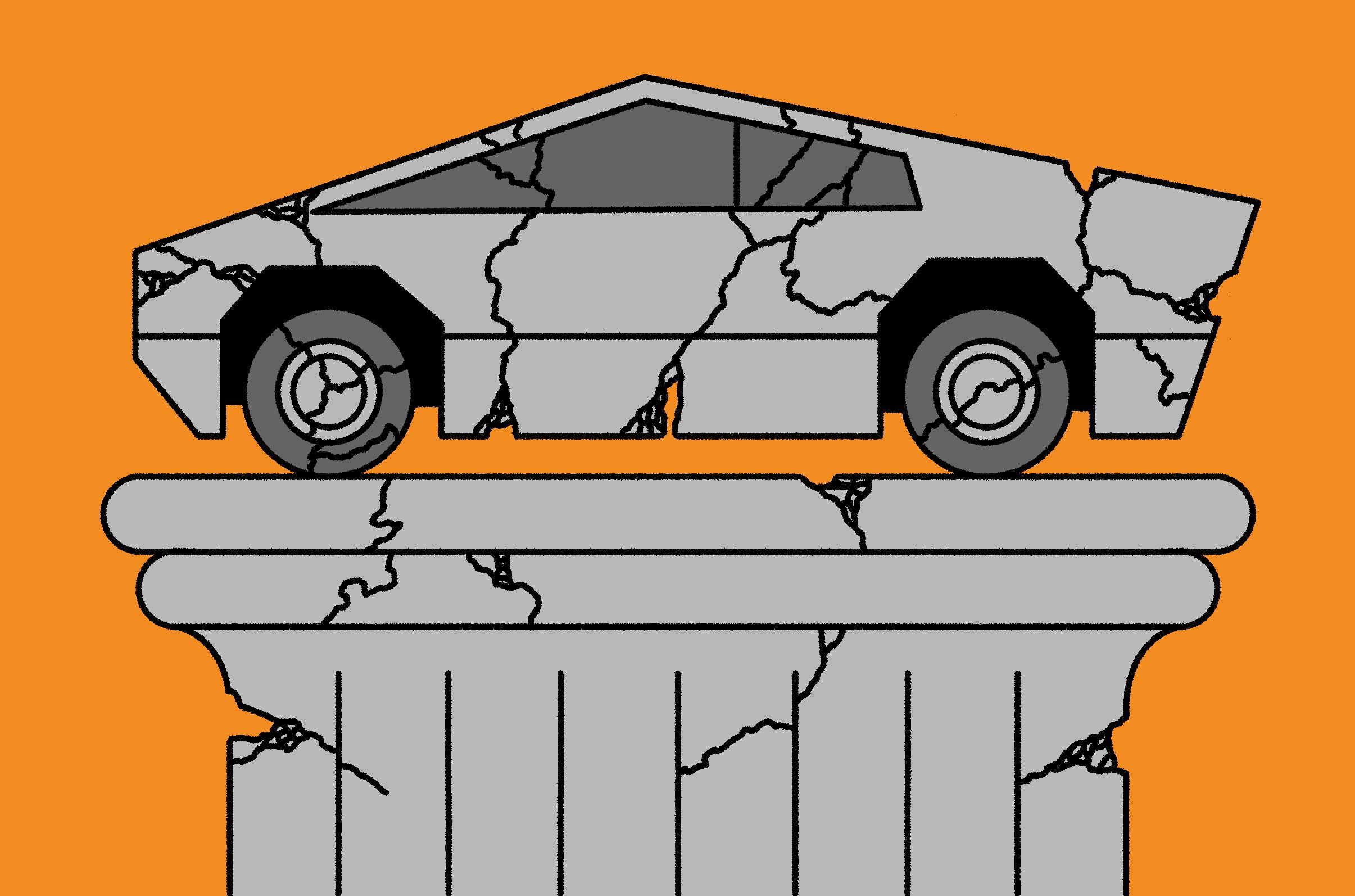
For decades, the United States has held a dominant position in the global trade market, with its economy being one of the largest and most influential in the world. However, recent shifts in the global economic landscape suggest that this dominance may soon begin to crack.
One of the key factors contributing to this potential crack in US trade dominance is the rise of emerging economies, such as China and India. These countries have experienced rapid economic growth in recent years, leading to an increase in their share of global trade.
Additionally, changing trade policies and relationships between countries have also played a role in challenging US trade dominance. The rise of protectionist policies, such as tariffs and trade barriers, has created uncertainties and disruptions in global trade patterns.
Furthermore, the increasing interconnectedness of the global economy has made it easier for countries to diversify their trade partners and reduce their dependence on the US market. This trend could further erode the US’s position as the dominant player in global trade.
As these factors continue to unfold, it is likely that the US will face increasing competition and challenges in maintaining its trade dominance. To stay competitive, the US will need to adapt its trade policies, strengthen its relationships with trading partners, and find new ways to innovate and remain a leader in the global economy.
In conclusion, while the US has long been a dominant force in global trade, recent shifts in the economic landscape suggest that this dominance may soon begin to crack. It will be crucial for the US to navigate these changes wisely and proactively in order to remain a key player in the evolving global trade environment.